PRESCRIBING INFORMATION
This product is to be administered by a Qualified Health Professional only.
DIAZEPAM INJECTION USP 10MG/2ML (5MG/ML)
NOTE: For full prescribing information, please refer to Summary of Product Characteristics before prescribing.
COMPOSITION
Each ml contains:
Diazepam USP – 5 mg
Benzyl Alcohol USP – 1.5% v/v (as preservative)
Water for Injection USP – q.s.
PHARMACOLOGICAL ACTION
The effect of diazepam, a benzodiazepine, results from its action on the central nervous system: sedation, hypnosis, decreased anxiety, muscle relaxation, anterograde amnesia, and anticonvulsant activity.
Elimination follows a biphasic pattern: a rapid distribution phase followed by a prolonged terminal elimination phase of 1–2 days. The half-life of its principal metabolite, desmethyldiazepam, is 2–5 days. Excretion occurs via urine. Diazepam and its metabolites cross the blood-brain barrier, the placental barrier, and are excreted in breast milk.
INDICATIONS
Diazepam is used in:
Treatment of anxiety and tension states as a sedative and pre-medication
Control of muscle spasm (e.g., tetanus)
Management of alcohol withdrawal syndrome
Control of status epilepticus
Indicated only when the disorder is severe, disabling, or subjecting the individual to extreme stress.
CONTRA-INDICATIONS
Hypersensitivity to benzodiazepines
Impaired liver, kidney, or respiratory function
Elderly and debilitated patients (sensitive to side-effects)
Infants (may be unable to metabolise diazepam)
Enhanced effects with alcohol, barbiturates, narcotics, and other CNS depressants
Avoid in psychotic patients unless anxiety is marked
Avoid in CNS depression, coma, acute pulmonary insufficiency, or sleep apnoea
Use with caution in chronic pulmonary insufficiency
Avoid in first trimester of pregnancy and lactating mothers
WARNINGS
Intravenous injection rate must not exceed 5 mg/minute
Patients should not drive or operate machinery due to drowsiness and impaired concentration
Potential for abuse and dependence, especially with prolonged use and high doses
Withdrawal symptoms may occur after long-term use
DOSAGE AND DIRECTIONS FOR USE
Start with the lowest recommended dose; do not exceed maximum dose
Administer by deep intramuscular or slow intravenous injection
IV injection: slowly into a large vein at ≤1 mL (5 mg) per minute
Keep patient supine for at least 1 hour post-administration
Facilities for respiratory assistance must be available
Examples:
Severe anxiety/acute muscle spasm: 10 mg IM/IV, repeat after 4 hours
Delirium tremens: higher doses may be required
Tetanus: 100–300 mcg/kg IV, repeat every 1–4 hours
Status epilepticus (adults): 150–250 mcg/kg IM/IV, repeat after 30–60 minutes
Minor surgery/dentistry: 100–200 mcg/kg adjusted to requirements
Children (sedative): up to 200 mcg/kg
Children (status epilepticus): 200–300 mcg/kg or 1 mg per year of age, repeat if necessary
Treatment duration: generally 8–12 weeks including tapering. Elderly/debilitated patients: half usual adult dose. Reduce dose in liver/kidney dysfunction.
SIDE-EFFECTS AND SPECIAL PRECAUTIONS
Reported effects include: dizziness, vertigo, headache, confusion, depression, slurred speech, libido changes, ataxia, tremor, blurred vision, urinary issues, GI disturbances, jaundice, blood disorders, amnesia, paradoxical excitation.
High doses/parenteral use: respiratory depression, hypotension, CNS depression, coma. Enhanced sedation with alcohol, antidepressants, antihistamines, anaesthetics, sedatives, neuroleptics, opioids.
Caution in: personality disorders, organic brain changes, arteriosclerosis, bereavement, psychotic illness, depression with anxiety, history of alcohol/drug abuse.
Dependence
Risk of abuse and dependence with prolonged use/high doses. Withdrawal symptoms: headache, muscle pain, anxiety, tension, restlessness, confusion, irritability. Severe cases: hallucinations, seizures, hypersensitivity, depersonalisation.
Rebound Effects
Symptoms may recur in enhanced form after withdrawal. Gradual tapering recommended.
Duration of Treatment
Should not exceed 8–12 weeks (including tapering). Inform patients of limited duration and possible rebound phenomena.
REPORTING OF SUSPECTED ADVERSE REACTIONS
Healthcare professionals should report suspected adverse reactions to:
Email: pvsafety@atlanticlifesciences-gh.com
ADR Report Form: www.atlanticlifesciences-gh.com
KNOWN SYMPTOMS OF OVERDOSAGE AND TREATMENT
Symptoms: see “Side-effects and Special Precautions.” Treatment: intensive, symptomatic, supportive measures. Maintain cardiovascular, respiratory, and renal functions.
PRESENTATION
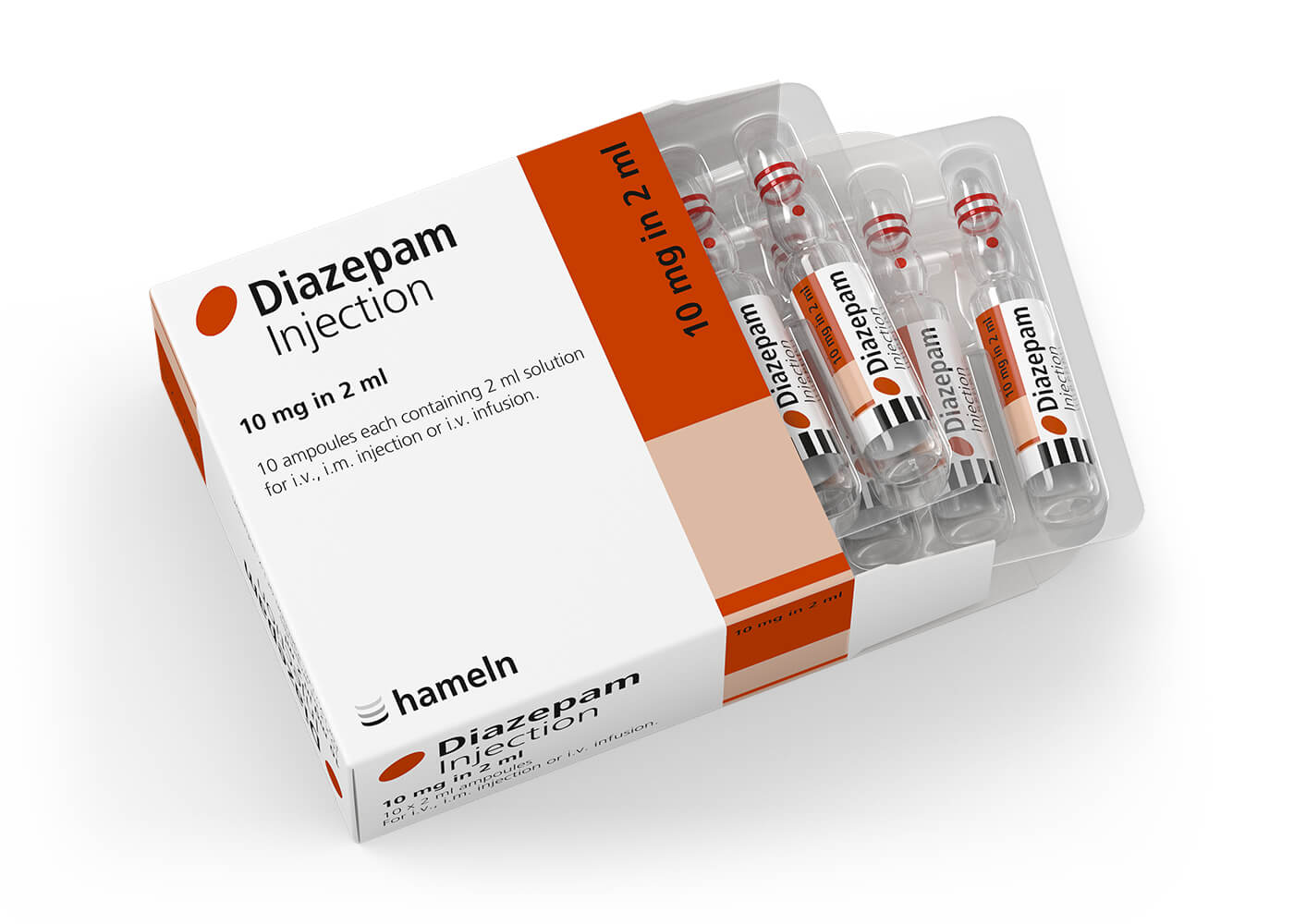
2 ml USP Type I amber glass ampoule. Packed in cartons containing 10 ampoules × 2 ml.
STORAGE INSTRUCTIONS
Store below 25°C, protected from light
Avoid freezing
Keep out of reach of children
SHELF-LIFE
36 months Date of Publication: September 2023
MANUFACTURER
Atlantic Lifesciences Limited Plot no: 16/01, Larpleku, Tema-Aflao Road, Greater Accra, Ghana
Would you like me to also prepare a one-page summary sheet for quick reference, or keep it in this full prescribing format?